
Top Property Management Mistakes
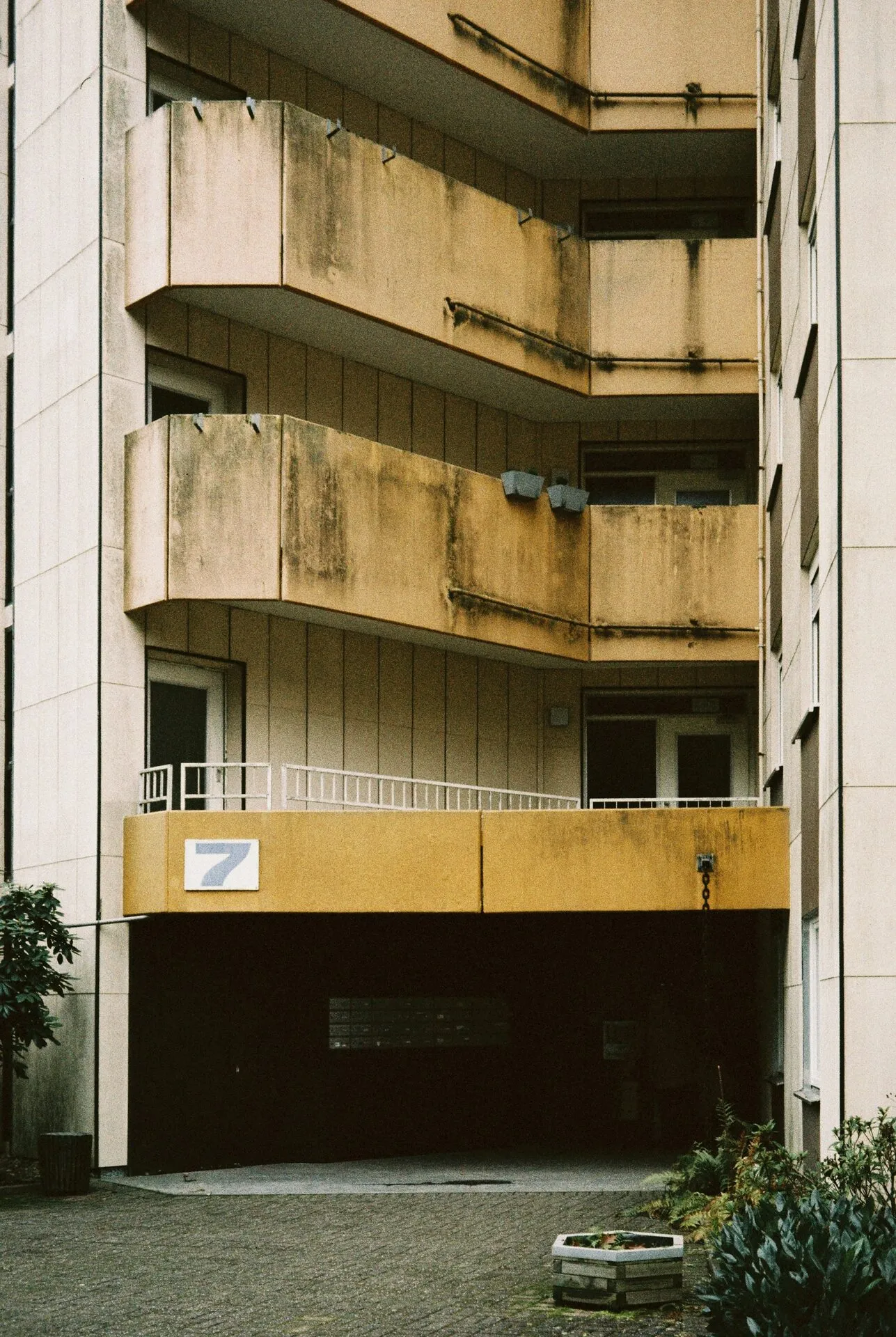
Whether you self-manage your rental properties or hire a professional property manager, the quality of property management directly determines the profitability and longevity of your real estate investments. I have seen excellent properties ruined by poor management and mediocre properties turned into consistent performers through skilled management. Here are the most common property management mistakes I have encountered and advice on how to avoid them.
Inadequate Tenant Screening
This is the single most impactful mistake in property management. Placing a bad tenant in your property because you were in a hurry to fill a vacancy or did not follow a thorough screening process will almost always cost you far more than the vacancy you were trying to avoid.
Every applicant should go through the same comprehensive screening process: credit check, employment and income verification, landlord references, and an in-person meeting. Cutting corners on any of these steps dramatically increases the risk of placing a tenant who will fail to pay rent, damage your property, or create problems for your other tenants and neighbours.
It is tempting to rush the screening process when you have a vacant unit costing you money every day. Resist this temptation. A few extra weeks of vacancy is a minor cost compared to months of unpaid rent and thousands of dollars in property damage from a poorly vetted tenant.
Deferring Maintenance
Deferred maintenance is a silent killer of real estate investments. Small issues that are ignored tend to become big, expensive problems over time. A minor roof leak becomes water damage and mould. A dripping faucet leads to a corroded supply line and a flood. A squeaky floor indicates a structural issue that worsens with each passing month.
Proactive maintenance is always cheaper than reactive repair. Establish a regular maintenance schedule and stick to it. Inspect your properties at least twice a year and address any issues promptly. Budget for ongoing maintenance as a regular operating expense, not as an unexpected surprise.
Your tenants are your front line for identifying maintenance issues. Create a simple, accessible system for them to report problems and respond to their reports promptly. Tenants who feel that their concerns are taken seriously are more likely to report issues early, which allows you to address them before they escalate.
Poor Communication with Tenants
Many landlords and property managers underestimate the importance of clear, professional communication with tenants. A lack of communication, or rude and dismissive communication, creates an adversarial relationship that leads to higher turnover, more disputes, and worse outcomes for everyone involved.
Set clear expectations from the beginning. Provide tenants with a welcome package that outlines how to contact you, how maintenance requests should be submitted, what the rules of the property are, and what they can expect from you as a landlord. Respond to communications promptly and professionally, even when the message is not what you want to hear.
Treating tenants with respect and maintaining open lines of communication does not mean you need to be their friend. It means being professional, responsive, and fair. Tenants who feel respected are more likely to take care of your property, pay rent on time, and stay long term.
Not Understanding Landlord Tenant Legislation
Every Canadian province has specific legislation governing the relationship between landlords and tenants. This legislation covers everything from how much notice you must give before entering a tenant’s unit to how much you can increase rent annually to how the eviction process works. Ignorance of these laws is not an excuse and can lead to costly legal problems.
Take the time to read and understand the landlord tenant legislation in every province where you own rental properties. If you are not confident in your understanding, consult with a lawyer who specializes in landlord tenant law. The cost of a legal consultation is trivial compared to the cost of violating a tenant’s rights and facing a complaint to the tenancy branch or tribunal.
The rules are different in every province. What is legal in Alberta may be illegal in British Columbia. Do not assume that what works in one jurisdiction will work in another.
Setting Rents Without Market Research
Setting your rental rate too high leads to extended vacancies. Setting it too low leaves money on the table every single month. Both mistakes are easily avoided by doing basic market research before listing your property.
Research comparable rental properties in your area. Look at current listings and recently rented properties to understand what tenants are willing to pay for similar units. Factor in the specific features and condition of your property and price it competitively.
Review and adjust your rents annually. Market conditions change, and a rental rate that was competitive last year may be above or below market today. Staying informed about your local rental market is an ongoing responsibility, not a one time exercise.
Failing to Document Everything
Documentation is your most important protection in the event of a dispute with a tenant. Move in and move out inspection reports, maintenance records, communication logs, and photographs of the property’s condition at various points in time can all be critical evidence if a disagreement escalates.
Conduct thorough move in and move out inspections with your tenant present, and document the condition of the property with detailed photographs and written notes. Both parties should sign the inspection report. This creates a clear record of the property’s condition that can be referenced if there is a dispute about damage deposits.
Keep records of all maintenance performed, all communications with tenants, and all financial transactions related to the property. A well documented property management operation is a well protected one.
The Bottom Line
Great property management is the difference between a profitable real estate portfolio and a constant source of stress and financial loss. Whether you manage your own properties or hire a professional, the principles are the same: screen tenants thoroughly, maintain the property proactively, communicate professionally, know the law, price competitively, and document everything.
At Dwell Logic, professional property management is a core component of our investment strategy. If you are struggling with any of the issues described in this article, we are happy to share our approach and discuss whether our property management services might be a good fit for your portfolio.
Topics
- Property Management
- Landlord Tips
- Tenant Management
- Property Manager
- Rental Income
- Canadian Real Estate
Related reading

Tips for Vetting Prospective Tenants
Vacancies cost less than the wrong tenant. A disciplined process for screening applicants, verifying income, and confirming references before you sign a lease.

Tips for Staging a House for Rent
Staging for the rental market is leaner than staging for sale, but it still drives faster lease-up and stronger applicants. How to stage on a budget.
Six Easy Renovations to Optimize a Rental Property
Six high-ROI renovations that reliably increase rent, reduce turnover, and lift property value, without the cost or risk of a major rebuild.
Investing alongside Dwell Logic?
Prospective capital partners can make a confidential enquiry at no cost. Investors who want one-on-one advice can book an advisory consultation.