
Tips for Taking Great Photographs of Your Property
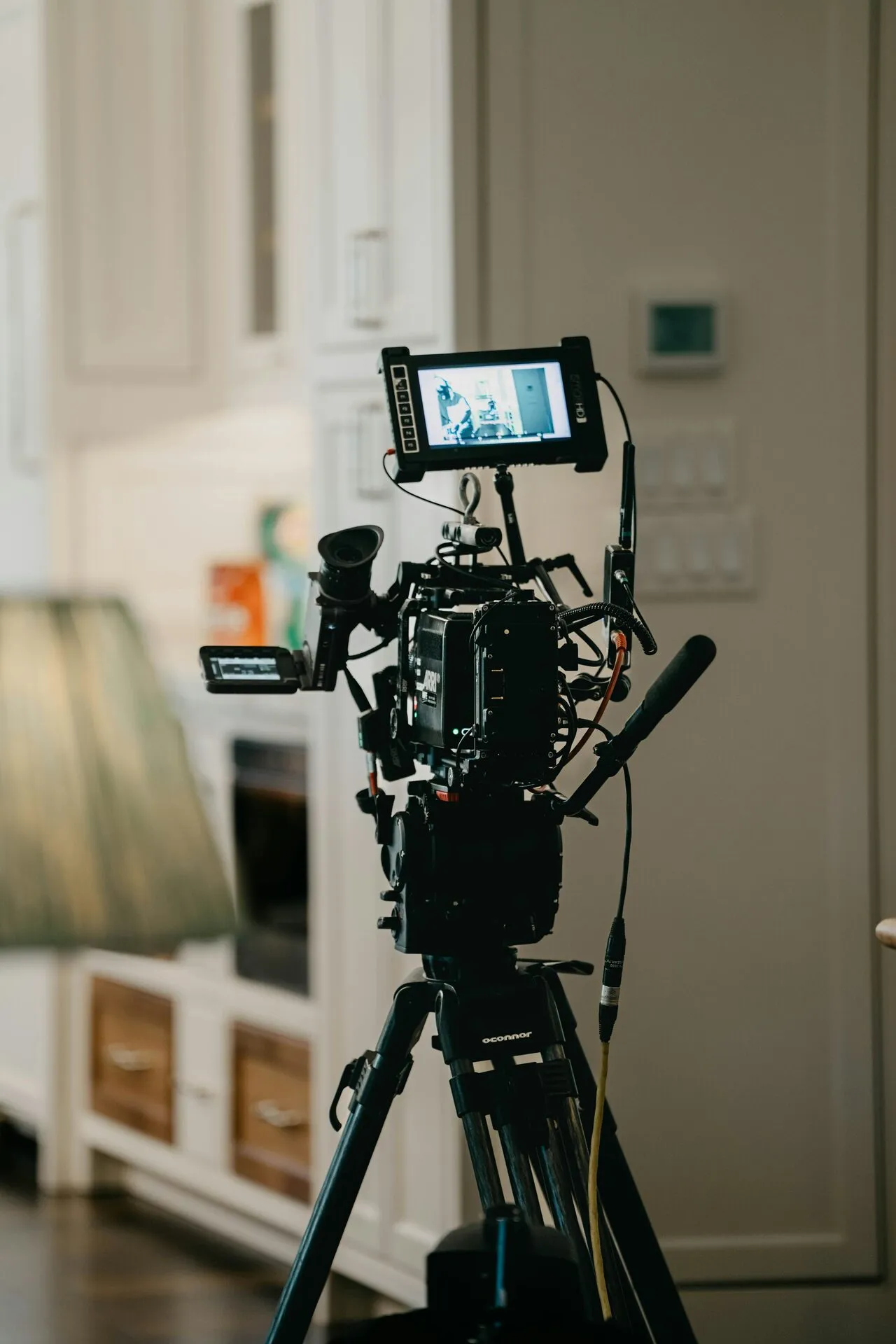
In today’s digital real estate market, your listing photos are often the first thing a prospective buyer or tenant sees. In many cases, the quality of your photographs determines whether someone will book a showing or scroll past your listing. Great photos can generate more interest, attract better quality applicants, and ultimately lead to higher sale prices or rental rates. Here are my tips for producing professional quality property photographs.
Prepare the Space Before You Pick Up the Camera
Photography only captures what is there. If the property is cluttered, dirty, or poorly staged, no amount of photographic skill will make it look appealing. Before you take a single photo, make sure the property is clean, decluttered, and staged according to the tips I have outlined in my posts on staging for sale and staging for rent.
Remove all personal items, unnecessary furniture, and any visible maintenance issues. Every surface should be clean and every light should be working. The goal is to present each room as a clean, bright, inviting space that the viewer can envision themselves using.
Use Natural Light Whenever Possible
Natural light is the most flattering and appealing type of lighting for real estate photography. Schedule your photo session for a time of day when the property receives the most natural light, typically mid-morning to early afternoon. Open all curtains, blinds, and shutters to let in as much light as possible.
Turn on all interior lights as well, even during the day. The combination of natural and artificial light eliminates dark corners and creates a warm, inviting atmosphere. Avoid photographing rooms at night or during overcast weather if possible, as the lack of natural light makes spaces look darker and less appealing.
Use a Wide Angle Lens
A wide angle lens is essential for real estate photography because it captures more of the room in a single frame. This gives the viewer a better sense of the room’s size and layout. Most smartphone cameras have a wide angle mode that produces acceptable results, although a dedicated camera with a proper wide angle lens will produce superior photos.
Be careful not to overdo it with the wide angle. Extremely wide lenses can create distortion that makes rooms look unrealistically large or causes straight lines to appear curved. The goal is to capture the room accurately while showing its full extent, not to create a distorted funhouse effect.
Shoot from Corners and Doorways
The best real estate photos are typically taken from the corner of a room or from the doorway looking in. These positions maximize the amount of the room that is visible in the frame and give the viewer a comprehensive view of the space.
Shoot at a height that approximately corresponds to chest or shoulder level. Shooting too high makes the room look strange, and shooting too low emphasizes the floor at the expense of the rest of the room. A tripod can help you maintain a consistent height and avoid blur.
Capture Every Room and Key Feature
A complete listing should include photos of every room in the property, plus the exterior from multiple angles. Do not skip small rooms like bathrooms or laundry areas. Prospective buyers and tenants want to see everything, and missing photos create uncertainty and suspicion.
Also photograph any standout features that differentiate your property, such as a renovated kitchen, a large backyard, a fireplace, built-in storage, or a scenic view. These are the features that will catch people’s attention and motivate them to book a showing.
Photograph the Exterior at Its Best
Exterior photos set the first impression. Take exterior shots on a clear day when the property’s curb appeal is at its peak. Mow the lawn, clear any debris, and make sure vehicles and garbage bins are not obstructing the view.
Photograph the property from multiple angles, including the front, back, and any side views that showcase the lot or outdoor living spaces. If the property has a garage, photograph it with the door closed for a cleaner appearance.
Edit Thoughtfully but Honestly
Basic photo editing can significantly improve the quality of your listing photos. Adjusting brightness, contrast, and white balance can make photos look more professional and true to life. Most smartphone photo apps and free editing software include tools for these basic adjustments.
However, be careful not to over-edit your photos. Heavy filters, excessive brightness, and colour manipulation can make photos look unrealistic and create misleading expectations. When a prospective buyer or tenant visits the property and finds that it looks nothing like the photos, it damages trust and can kill the deal. Your photos should present the property in its best honest light, not create a fantasy.
Consider Hiring a Professional
For properties being sold, I strongly recommend investing in professional real estate photography. The cost is typically a few hundred dollars and the quality difference compared to amateur photos is substantial. Professional photographers have the equipment, expertise, and editing skills to make your property look its absolute best.
For rental listings, professional photography may not always be necessary, but it is still worth considering for higher end properties or in competitive rental markets. At Dwell Logic, we use professional photography for our property listings because we have seen firsthand how much of a difference it makes in generating interest and attracting quality applicants.
Topics
- Real Estate Photography
- Listing Photos
- Property Marketing
- Photography Tips
- Real Estate Marketing
- Canadian Real Estate
Considering a related transaction?
Initial consultations are confidential.