
Tips for Staging a House for Sale
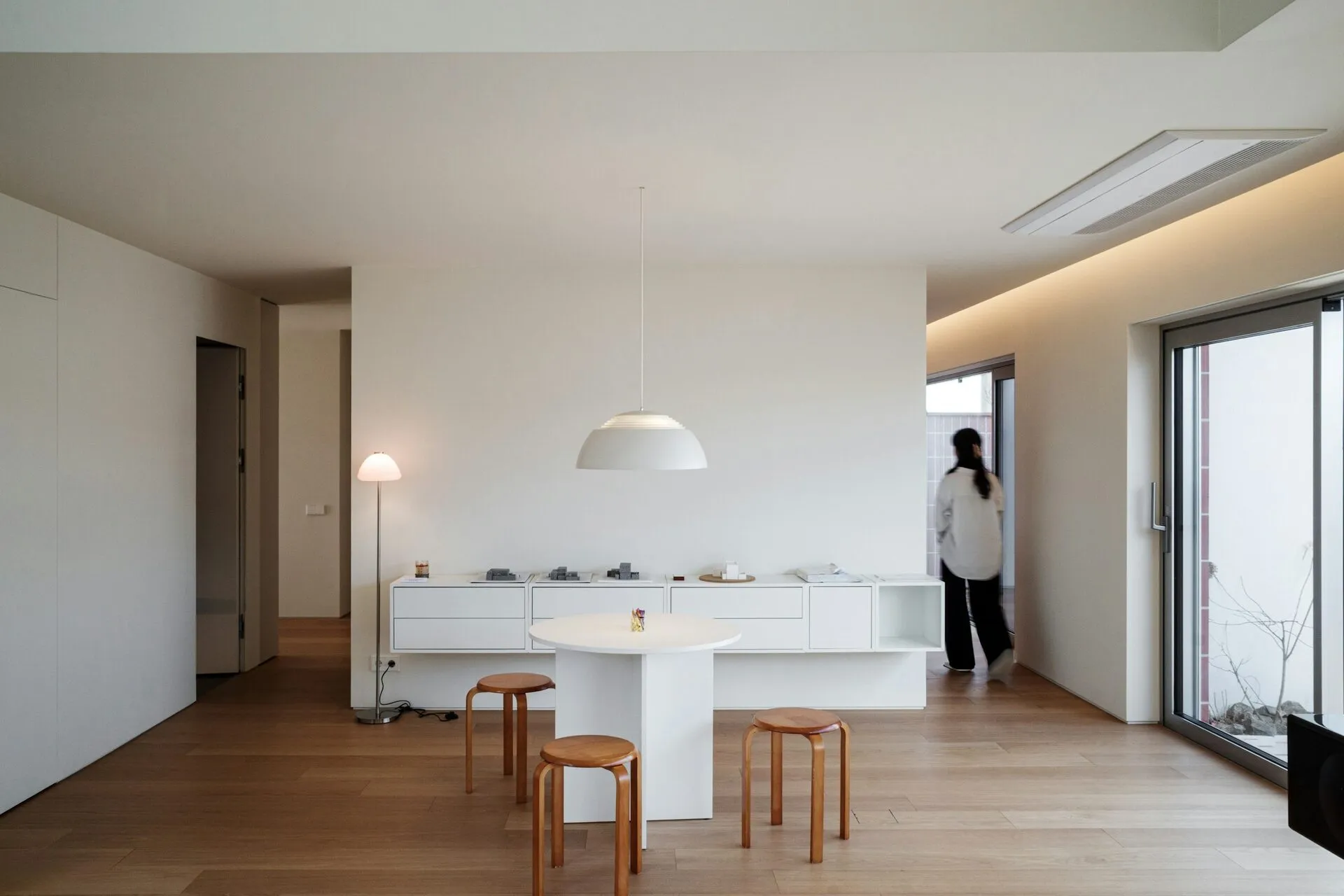
First impressions matter enormously in real estate. A well staged home sells faster and for more money than a comparable unstaged property. This is not just my opinion; it is consistently supported by industry data. Staging is the art and science of presenting a property in a way that helps potential buyers envision themselves living there. Whether you are selling an investment property or your own home, effective staging can add thousands of dollars to your final sale price.
Declutter Ruthlessly
The single most impactful thing you can do when staging a house for sale is to remove clutter. Every room should feel spacious, clean, and open. This means removing excess furniture, personal items, and anything that makes the space feel smaller or busier than it needs to be. When in doubt, take it out.
Buyers need to be able to see themselves in the space, and that is very difficult when every surface is covered with someone else’s personal belongings. Remove family photos, collections, excessive decorations, and anything that makes the space feel like it belongs to someone else rather than a blank canvas for the buyer’s imagination.
Deep Clean Everything
A spotlessly clean home signals to buyers that the property has been well maintained. Every surface should be scrubbed, every window should sparkle, and every corner should be free of dust and cobwebs. Pay particular attention to kitchens and bathrooms, as these are the rooms buyers scrutinize most closely.
Do not forget about exterior cleanliness. Power wash the siding, driveway, and walkways. Clean the gutters. Make sure the windows are clean from the outside as well as the inside. A clean exterior sets the tone before the buyer even walks through the front door.
Maximize Natural Light
Bright, well lit homes feel more inviting and spacious. Open all curtains and blinds, clean the windows, and replace any burnt out light bulbs. If a room does not get much natural light, add lamps or other lighting fixtures to brighten the space. Dark rooms feel smaller and less appealing.
Consider replacing heavy or dated window coverings with lighter, more modern options. Sheer curtains that let light in while providing some privacy are an excellent choice for staging purposes.
Focus on Curb Appeal
The exterior of the house is the first thing buyers see, and it sets their expectations for everything that follows. Mow the lawn, trim the hedges, plant some flowers, and make sure the front entrance looks welcoming. A fresh coat of paint on the front door can make a surprisingly big difference.
If the driveway is cracked or stained, consider having it pressure washed or repaired. Make sure the house numbers are visible and attractive. Replace a worn out welcome mat. These small touches create an inviting first impression that carries through the entire showing.
Neutralize Bold Design Choices
While your bright red accent wall or eclectic bathroom tile might be exactly to your taste, it may not appeal to the majority of buyers. When staging for sale, the goal is to appeal to the widest possible audience. This means neutralizing any bold or polarizing design choices.
Repaint brightly coloured walls in neutral tones like light grey, soft white, or warm beige. Replace any fixtures or hardware that is overly specific to a particular style. The goal is to create a canvas that allows buyers to project their own style and preferences onto the space.
Stage Key Rooms First
If your budget or time is limited, prioritize staging the rooms that have the greatest impact on buyer perception. The living room, master bedroom, and kitchen are the three most important rooms to stage. These are the spaces where buyers spend the most time during showings and where they make their emotional connection to the property.
In the living room, create an inviting seating arrangement that showcases the room’s size and natural light. In the master bedroom, invest in quality bedding and create a hotel suite atmosphere. In the kitchen, clear the countertops completely and add a few attractive accessories like a bowl of fresh fruit or a small plant.
Professional Photography Matters
In today’s market, most buyers see your property online before they ever visit in person. The quality of your listing photos can determine whether a buyer decides to book a showing or scroll past your listing. Professional real estate photography is one of the best investments you can make when selling a property.
A professional photographer knows how to use lighting, angles, and composition to make each room look its best. They also have the equipment and software to produce high quality images that look great on listing websites. The cost of professional photography is minimal compared to the potential increase in sale price.
If you are selling investment properties regularly, building a relationship with a reliable real estate photographer is well worth the effort. At Dwell Logic, professional photography is a standard part of our property listing process.
Topics
- Home Staging
- Selling a House
- Real Estate Marketing
- Curb Appeal
- Listing Preparation
- Canadian Real Estate
Considering a related transaction?
Initial consultations are confidential.