
Pros and Cons of Solar Panels for Multi-Family Properties
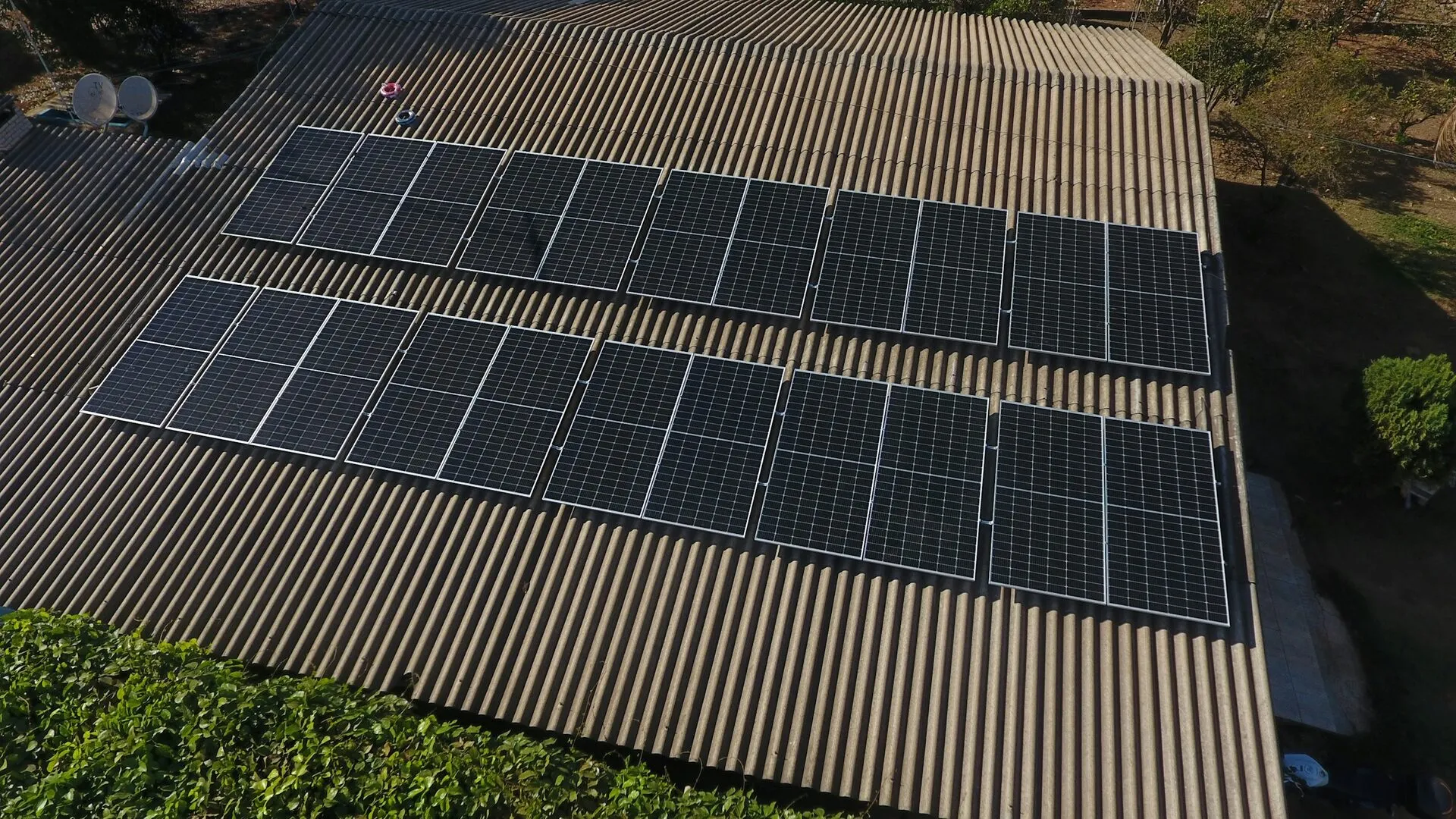
Renewable energy technology has advanced significantly in recent years, and the declining costs of solar panels and battery storage systems have made them an increasingly viable option for real estate investors. For large multi-family properties in particular, the economics of solar and battery systems can be compelling. However, the decision to invest in this technology is not straightforward and requires careful analysis. Here is my assessment of the key pros and cons.
Pros
Reduced Operating Costs
The most direct financial benefit of solar panels is the reduction in electricity costs. For large multi-family properties where the landlord pays common area electricity or where units are master metered, solar panels can significantly reduce the monthly utility bills. Over the life of the system, which typically spans 25 to 30 years, the cumulative savings can be substantial.
Battery backup systems enhance this benefit by storing excess solar energy generated during peak production hours for use during peak consumption hours or during outages. This can further reduce electricity costs by avoiding peak demand charges, which can be a significant expense for larger properties.
Increased Property Value
Properties with solar energy systems are generally valued higher than comparable properties without them. For commercial multi-family properties that are valued based on net operating income, the reduction in operating expenses directly translates into a higher property valuation. Every dollar saved on utilities contributes to the net operating income, which is then multiplied by the capitalization rate to determine property value.
As energy costs continue to rise and environmental awareness grows among tenants and buyers, the value premium associated with energy efficient and solar equipped properties is likely to increase over time.
Attracting Environmentally Conscious Tenants
A growing number of tenants, particularly younger demographics, actively seek out environmentally responsible housing options. A property with solar panels and battery backup demonstrates a commitment to sustainability that can differentiate your property in a competitive rental market.
This can translate into lower vacancy rates, higher quality tenant applicants, and the ability to command a modest rent premium. While the environmental appeal alone may not justify the investment, it is a meaningful secondary benefit that contributes to the overall value proposition.
Energy Security and Resilience
Battery backup systems provide a level of energy security that is increasingly valued in a world of rising extreme weather events and aging electrical infrastructure. During power outages, a battery system can keep essential building systems running, including lighting, security systems, and communication equipment.
For tenants, the assurance that their building has backup power capability is a tangible benefit that can improve satisfaction and retention. For the building owner, it can reduce the risk of property damage during extended outages, as heating and sump pump systems can continue to operate.
Cons
High Upfront Capital Cost
The most significant barrier is the upfront cost. A solar panel system for a large multi-family building can cost tens or even hundreds of thousands of dollars, depending on the size of the installation. Battery storage systems add significantly to this cost. While financing options are available, the capital commitment is substantial and diverts funds from other potential investments or improvements.
The payback period for a solar installation on a multi-family property typically ranges from seven to fifteen years, depending on local electricity rates, the size and orientation of the roof, and available government incentives. During this payback period, the capital invested in solar is effectively locked up and not earning returns elsewhere.
Roof Condition and Structural Requirements
Solar panels have a lifespan of 25 to 30 years, so the roof they are installed on needs to be in good condition and ideally not require replacement during that period. If the roof needs to be replaced within the next decade, the additional cost of removing and reinstalling the solar panels can significantly affect the overall economics.
Older buildings may also require structural reinforcement to support the weight of solar panels, which adds to the installation cost. A structural engineering assessment is typically required before installation can proceed.
Regulatory and Permitting Complexity
Installing solar panels on a large multi-family property involves navigating a complex web of municipal permitting requirements, building codes, electrical codes, and utility interconnection agreements. The permitting process can be time consuming and expensive, and requirements vary significantly between jurisdictions.
In some areas, strata or condominium bylaws may restrict or prohibit the installation of solar panels on shared buildings. For properties in these situations, the regulatory hurdles may be insurmountable.
Maintenance and Technology Risk
While solar panels are generally low maintenance, they are not maintenance free. Panels need to be kept clean, inverters eventually need to be replaced, and battery systems require monitoring and periodic servicing. These ongoing costs need to be factored into the financial analysis.
There is also the risk that improvements in solar and battery technology will make today’s systems less competitive or obsolete before the end of their useful life. While this is a risk with any technology investment, it is worth considering as part of the overall analysis.
My Assessment
For large multi-family properties with suitable roof exposure, stable ownership horizons, and access to government incentives, solar panels and battery systems can be a compelling investment. The key is to perform a thorough financial analysis that accounts for all costs, including installation, maintenance, and eventual decommissioning, and compares the projected returns against alternative uses of that capital.
I believe that as technology costs continue to decline and electricity rates continue to rise, the economics of solar for large multi-family properties will become increasingly attractive. For now, each installation needs to be evaluated on its individual merits, and investors should work with qualified solar installation companies and financial advisors to determine whether the investment makes sense for their specific property and situation.
This is an area of the real estate industry that I am monitoring closely and am genuinely interested in as part of the long term evolution of property management best practices.
Topics
- Solar Panels
- Renewable Energy
- Multi-Family
- Operating Costs
- Green Building
- Canadian Real Estate
Related reading

Diversifying Your Real Estate Portfolio
Why concentration risk is the silent killer in real estate, and how disciplined investors diversify by asset class, geography, tenant and capital structure.
Pros and Cons of Commercial Multi-Family Investing
Commercial multi-family is the asset class Dwell Logic was built around. A frank look at its structural advantages and the trade-offs investors should weigh.

Top 5 Mistakes New Real Estate Investors Make
Avoid the five costly mistakes that derail most new real estate investors, from underestimating expenses to skipping due diligence on tenants.
Investing alongside Dwell Logic?
Prospective capital partners can make a confidential enquiry at no cost. Investors who want one-on-one advice can book an advisory consultation.